What is a Naturopath?
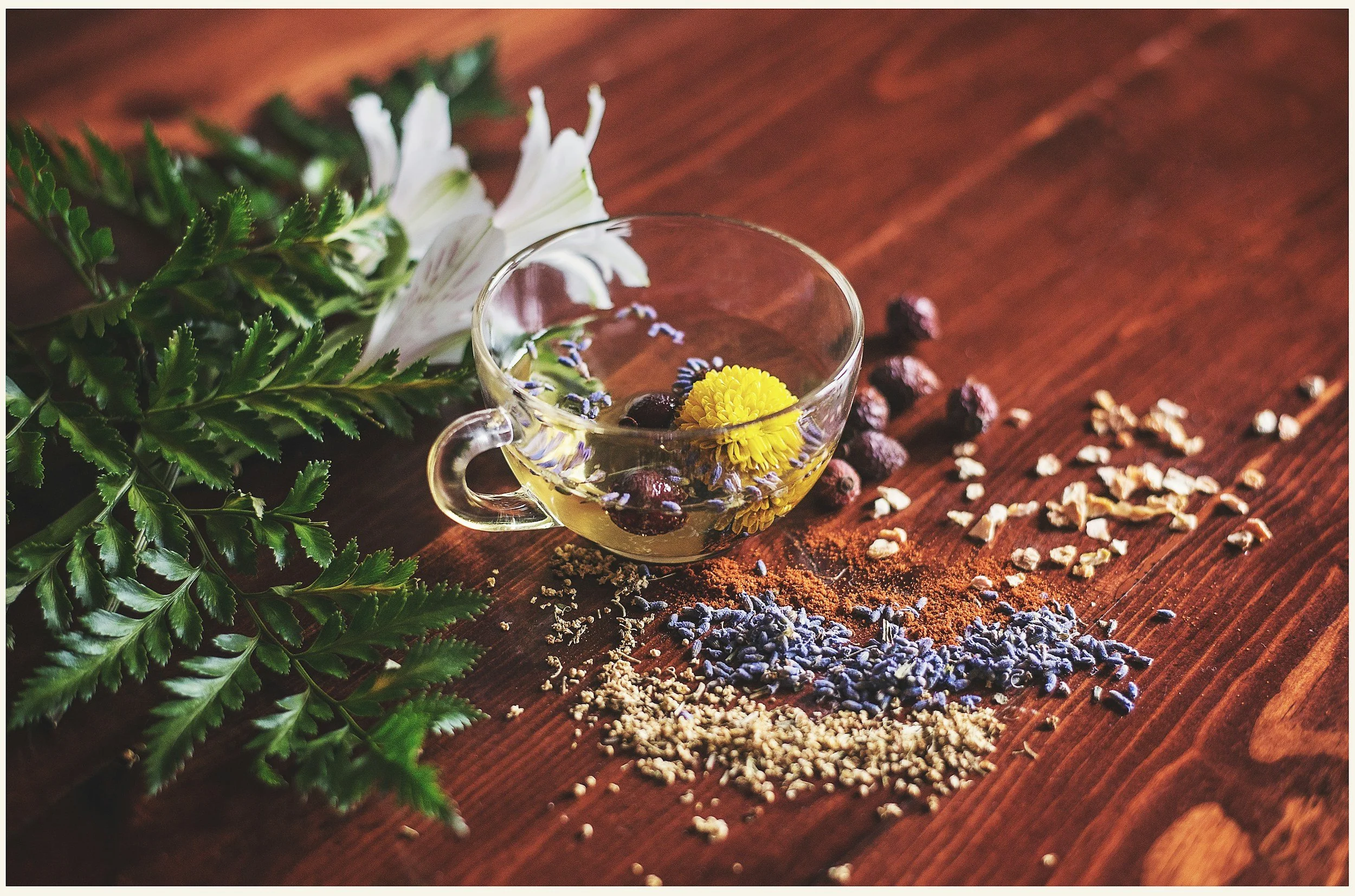
A naturopath is a complementary medicine practitioner who uses a variety of tools such as nutrition, herbal medicine and gut microbiome modulation to support health and wellbeing.
What does a naturopathic consult look like?
During a naturopathic consult we take a deep dive into your symptoms or health concern(s). We often ask about health history, sleep, stress, gut health, energy, family history and nutrition to identify factors that are contributing to the onset or maintenance of current symptoms.
This is known as holistic care or systems thinking i.e. looking at how the body functions as an interconnected whole. Understanding underlying drivers and connections between systems helps identify management approaches that have the broadest impact across symptoms.
Here at Whole Body Nutrition we use a truly holistic approach, which doesn't simply consider individual health factors, but also considers the health of the community and understands the broader systems that impact our health and wellbeing (i.e. social determinants of health).
Naturopathic consults are educational; we provide tools to help manage your health concerns long term, help you to advocate for your needs with other healthcare professionals and explain the interconnected nature of complex symptoms. This learning process is often therapeutic in itself and provides life-long skills to support wellbeing. Many people find that learning about the interconnected nature of symptoms is validating and provides a sense of relief. Health can become less overwhelming when we understand that targeting one up-stream factor can have a whole bunch of down-stream effects.
What is herbal medicine?
Herbal medicine is the use of plants to support health and wellbeing, often delivered in forms such as teas, liquid extracts, capsules, or topical creams. It is one of the oldest and most widely used forms of healthcare worldwide, with around 80% of people using herbalism as a primary source of healthcare according to the World Health Organisation.
Herbs work differently to most pharmaceutical drugs. Although many pharmaceuticals originally come from plants, they typically isolate a single active compound to produce a very specific effect e.g. acting on one receptor or pathway in the body. In contrast, a whole herbal extract can contain hundreds of different compounds that often interact with each other and the body in complex, synergistic ways.
For example, withania (also known as ashwagandha) contains a range of chemical compounds, including withanolides, triethylene glycol, alkaloids, and withanosides (Saleem et al., 2020). Withania has evidence for reducing morning cortisol (Della Porta et al., 2023; Lopresti et al., 2019), amplifying the immune response (Tharakan et al., 2021) and supporting thyroid function (Sharma et al., 2018) in randomised controlled trials. Research suggests that it is the combination of chemical compounds in withania that create these effects. This broader, multi‑target action is one of the features that distinguishes herbal medicine from more narrowly targeted pharmaceuticals.
Herbal medicine is advantageous due to its good safety profile. Whilst herbal medicine is not always safe and should be prescribed by a registered naturopath or herbalist, adverse effects are far less common compared to pharmaceuticals. Naturopaths are trained to work safely alongside medications, and in some cases can use herbs to support the effectiveness of medication or to help reduce its side effects. For example, human research has shown that licorice root can be used alongside the testosterone reducing medication, spironolactone, in PCOS. It may help reduce adverse effects related to spironolactone’s diuretic action while also enhancing its ability to lower testosterone levels (Armanini et al., 2007; Sabbadin et al., 2019). This illustrates how, when used knowledgeably and safely, herbal medicine can complement conventional care rather than replace it.
Nutrition and the gut microbiome
A cornerstone of naturopathic care is nutrition support and gut microbiome modulation. Naturopaths are trained to provide nutrition support, and here at Whole Body Nutrition we combine this training with an understanding of
· Neurodivergence and feeding differences
· Compassionate and trauma informed care
· Disordered eating
· How broader systems impact eating and access to food
Naturopaths hold a deep understanding of the human gut microbiome and its links to health disorders outside of the gut. Relationships with gut microbes and the skin, immune and nervous systems are often described as the gut-brain axis, gut-immune axis and gut-skin axis. Symptoms in and outside the gut can be supported through targeted nutrition, herbal medicine, probiotics and prebiotics.
Ethical care
Naturopathy and holistic care are increasingly becoming interlinked with harmful wellness culture. The word holistic is even beginning to lose it's meaning; it’s often used to simply indicate that something is “natural” versus a truly holistic approach that integrates physical, emotional, spiritual and social determinants of health. We are increasingly seeing the language of naturopathy, wellness and holism be implicated in anti-science, anti-medical and anti-vaccine rhetoric. You may even be familiar with the “wellness to right wing pipeline.”
At Whole Body Nutrition, we reject this use of naturopathy and holism to push conservative political agendas and acknowledge how these ideas contribute to healthism, guilt around food and disordered eating. (You won’t find us using words like “toxins” or “cleanses” to sell you products!)
At its best, naturopathy is patient-centred, holistic care that draws on a range of approaches to ease symptoms, while exploring the underlying factors that shape our health and wellbeing.
References:
Armanini, D., Castello, R., Scaroni, C., Bonanni, G., Faccini, G., Pellati, D., Bertoldo, A., Fiore, C., & Moghetti, P. (2007). Treatment of polycystic ovary syndrome with spironolactone plus licorice. European Journal of Obstetrics & Gynecology and Reproductive Biology, 131(1), 61-67. https://doi.org/https://doi.org/10.1016/j.ejogrb.2006.10.013
Della Porta, M., Maier, J. A., & Cazzola, R. (2023). Effects of Withania somnifera on Cortisol Levels in Stressed Human Subjects: A Systematic Review. Nutrients, 15(24), 5015. https://www.mdpi.com/2072-6643/15/24/5015
Lopresti, A. L., Smith, S. J., Malvi, H., & Kodgule, R. (2019). An investigation into the stress-relieving and pharmacological actions of an ashwagandha (Withania somnifera) extract: A randomized, double-blind, placebo-controlled study. Medicine (Baltimore), 98(37), e17186. https://doi.org/10.1097/md.0000000000017186
Sabbadin, C., Bordin, L., Donà, G., Manso, J., Avruscio, G., & Armanini, D. (2019). Licorice: From Pseudohyperaldosteronism to Therapeutic Uses. Front Endocrinol (Lausanne), 10, 484. https://doi.org/10.3389/fendo.2019.00484
Saleem, S., Muhammad, G., Hussain, M. A., Altaf, M., & Bukhari, S. N. A. (2020). Withania somnifera L.: Insights into the phytochemical profile, therapeutic potential, clinical trials, and future prospective. Iran J Basic Med Sci, 23(12), 1501-1526. https://doi.org/10.22038/ijbms.2020.44254.10378
Sharma, A. K., Basu, I., & Singh, S. (2018). Efficacy and Safety of Ashwagandha Root Extract in Subclinical Hypothyroid Patients: A Double-Blind, Randomized Placebo-Controlled Trial. J Altern Complement Med, 24(3), 243-248. https://doi.org/10.1089/acm.2017.0183
Tharakan, A., Shukla, H., Benny, I. R., Tharakan, M., George, L., & Koshy, S. (2021). Immunomodulatory Effect of Withania somnifera (Ashwagandha) Extract-A Randomized, Double-Blind, Placebo Controlled Trial with an Open Label Extension on Healthy Participants. J Clin Med, 10(16). https://doi.org/10.3390/jcm10163644
Written by Sam Jeffrey (he/him), a neurodivergent (AuDHD) naturopath based on Whadjuk Noongar land and a proud queer, trans man. He is deeply committed to creating healthcare spaces where neurodivergent, queer and trans folks feel safe, respected and genuinely understood.
This article is intended as general advice only and does not replace medical advice. It is recommended that you seek personalised advice specific to your individual needs.