


ARFID and Neuroaffirming Care
Practitioner Course
Support neurodivergent clients with confidence, compassion and clarity.
This is more than just a course or training.
It’s a framework for change — designed to help you understand Avoidant/Restrictive Food Intake Disorder (ARFID) through a trauma-informed and neuro-affirming lens, so you can truly support your clients in ways that are safe, respectful, and effective.
We kicked off our first live round in Nov 2025! It is now Evergreen and available to purchase.
If you are interested in joining us for future live rounds join the waitlist below for more information
It’s for:
Nutritionists & Dietitians
Naturopaths
Allied Health and Mental Health Professionals supporting Neurodivergent People
Whether you're newer to ARFID or already working in this space but want to align your approach with trauma-informed, neuro-affirming care, this course will meet you where you are and take you deeper.
This course is designed for practitioners who work with children, teens, or adults who have complex relationships with food. You may already suspect ARFID or know you’re working with it—this course gives you the depth, tools, and confidence to support someone with ARFID meaningfully.
Who is this course for?


This course is:
Grounded in lived experience, research, and real-world practice
Created with a neurodivergent-affirming and trauma-informed foundation
Focused on reducing harm, building trust, and supporting autonomy around food
Rich in practical tools, reflective prompts, and clinical applications you can use immediately
Designed to help you feel more confident, more competent, and more aligned with the kind of care you want to give
A 6 week course that includes:
Two pre-recorded lessons will be released each week. An ARFID lived experience panel with some absolute legends. Three live calls where we will reflect on the course content and you can pick our brains.
Week 2 live call - TBC
Week 4 live call - TBC
Week 6 live call - TBC
Downloadables and clinical resources including:
Reflection activities to unpack your own clinical biases and reframe your approach
Printable resources and tools you can use in consultations
12 months access to the full course content
Certificate of Completion
Confidence that your practice is safer and more affirming for neurodivergent clients
Practitioner Course Content & Format

-
What is Neurodiversity Affirming Care & What is ARFID: introduces the foundations of neuro-affirming and trauma-informed care, including exploring the importance of the neurodiversity paradigm in practice. It breaks down what it means to be neuro-affirming, the power of language and terminology, and why these approaches matter for building trust and delivering respectful, person-centred care. This week also includes an introduction to ARFID—what it is, what it isn’t, we will go through the DSM Criteria and limitations. We’ll review what the evidence says about traditional ARFID "treatment", discuss what it means to de-pathologize ARFID, and explore why a neuro-affirming lens is essential for truly understanding and supporting individuals with ARFID.
-
The initial appointment: we move from the foundations into the clinical space, focusing on how to approach the initial appointment in a neuro-affirming and trauma-informed way. This session explores how to build rapport, establish relational safety, and adapt our assessment frameworks to be flexible and inclusive. We’ll reflect on our own strengths, challenges, and biases as clinicians, and practice core counselling skills like active listening, validation, and holding space. The aim is not to change how you conduct assessments, but to consider how we can adapt our approach to centre curiosity, autonomy, and collaboration—laying the groundwork for a strong therapeutic relationship and meaningful ongoing support.
-
Towards the end of week 2 we will have a live group call, a time to reflect and ask questions. It will be recorded for those who may not be able to make the live.
-
Assessing for ARFID: focuses on what to look for and how to screen for ARFID. We will explore how you build a comprehensive assessment picture plus how to identify nutritional deficiencies, when further testing may be needed, and the role of allied health professionals in assessment, support and diagnosis. This week also looks at differential considerations such as what else might be going on if it’s not ARFID—including sensory processing differences, Pervasive Drive for Autonomy (PDA), and Paediatric Feeding Disorder, with guidance on when and where to refer on.
Bonus: From our Parent Course
ARFID and Its IntersectionsIn Week 3, we explore how ARFID intersects with neurodivergence, medical conditions, and trauma highlighting how these factors influence eating, feeding, hydration and mealtimes.
We’ll discuss:
ARFID and Pervasive Drive for Autonomy (PDA): How internal and external demands, like hunger, sensory experiences, or social expectations, can feel threatening to a PDAer, activating fight/flight/freeze/fawn responses and making eating feel unsafe. We will discuss practical strategies to reduce pressure, honour autonomy, and create predictable, flexible, and sensory-safe environments that allow the nervous system to settle and support natural eating.
ARFID and OCD: How obsessive fears about food, contamination, or “just right” experiences can impact eating, and how a neuro-affirming, safety-first approach supports regulation and trust rather than enforcing rigid rules.
ARFID and PTSD/Trauma: Understanding how past negative experiences around food, medical interventions, and more can create fear-based avoidance, and why trauma-informed strategies are essential.
ARFID and RSD: We will briefly explore what RSD is and how it can intersect with ARFID. Plus go through a couple of strategies that may help reduce feelings of rejection.
ARFID and Medical/GI Conditions: How reflux, eosinophilic oesophagitis, gastroparesis, or connective tissue and autonomic conditions (like EDS, hypermobility, POTS) affect digestion, appetite, and blood sugar regulation.
ARFID & Hypermobility/hEDS: Both HSD and hEDS can frequently co-occur with the Neurodivergent population. We will explore how this might show up for someone with ARFID.
ARFID and Burnout: Recognising how sensory, cognitive, and social demands, along with nutritional deficits, can contribute to autistic burnout and prolonged feeding challenges, and how supporting safe food intake can help nervous system recovery.
Also 4 bonus mini interviews: 1. Our Dietitian Ebeney talks about ARFID and Emetophobia
2. Our Naturopath Sam talks about gender dysphoria and eating disorders.
3.ARFID and cultural experiences with Yas De Silva.
4.ARFID, Anorexia Nervosa, body and masking with Annie Crowe
By the end of this week, parents will gain a deeper understanding of the complex, overlapping factors that influence ARFID and practical, compassionate strategies to support eating without pressure, prioritising safety, autonomy, and regulation.
-
ARFID & Feeding differences Support Strategies: introduces a framework for supporting individuals with ARFID in a safe, individualised way. It emphasises emotional and sensory safety, centering client autonomy, and using strengths-based, trauma-informed, neuro-affirming approaches. This week also considers when it may be appropriate to explore new foods and when the focus should remain on nourishment through safe foods, supplements and supporting the relationship to food and body.
-
Towards the end of week 4 we will have a live group call, a time to reflect and ask questions. It will be recorded for those who may not be able to make the live.
-
Follow up consultations: explores how to hold space for clients while supporting progress over time. It covers strategies for checking in and monitoring change—looking at mealtime experiences, nutritional adequacy, and client reflections on what’s working and what’s not. You’ll learn approaches for collaborative goal setting, motivational interviewing, and how to respond when progress feels slow or stagnant, while considering factors like sensory processing differences and fluctuating daily capacity. This week also emphasises celebrating successes, big and small, and brings everything together through a practical case study.
-
A pre-recorded panel interview with guest practitioners, all with their own lived and professional experience of ARFID.
We have these wonderful people joining us below:
We have these wonderful people joining us below:
Cody Robinson (She/Her) from New Leaf social work
Lumen Gorrie (They/Them) from Brains beyond Binaries
Brianna Thomas (She/Her) from The Psych Hive
Gabriel Lubieniecki-Maynard (She/Her) from Swan Centre
More to come on this!
Bonus from our parent course: ARFID Parent Panel
A pre- recorded panel with parents who have children with ARFID.
We will be joined by the wonderful
Hollie-Ann Newman (She/Her) from Neuroinclusive Education & Jenni Moore (She/Her) .
-
A group space for practitioners to bring their case studies, reflect and ask any final questions.
Pricing
Normal price $850 + GST
Plus 2 Bonus Modules from our Parent Course are now included.
Key Learning Outcomes
Develop skills to support clients using a neuro-affirming and trauma-informed approach
Build a clear understanding of ARFID and feeding differences, including their nuances
Recognise the unique challenges neurodivergent people face with food, nutrition, and their relationship with food and eating
Identify red flags and know when to refer to other professionals
Compassionate guidance in exploring and questioning our assumptions, biases, expectations, and values we may hold about food and nutrition
Learn practical strategies to assess for and support ARFID
Explore how to support individuals with ARFID while prioritising emotional and sensory safety
Promote positive mealtime environments – reduce pressure, support connection, and create safe spaces for eating
Guidance for parents of children with ARFID
Meet your Facilitators

-
I am a proudly neurodivergent, mother of two, Certified Practicing Nutritionist and founder of Whole Body Nutrition. My goal for Whole Body Nutrition is to utilise my lived experience and clinical expertise to educate and empower others. To spread the message that all bodies and brains are worthy and valuable.
-
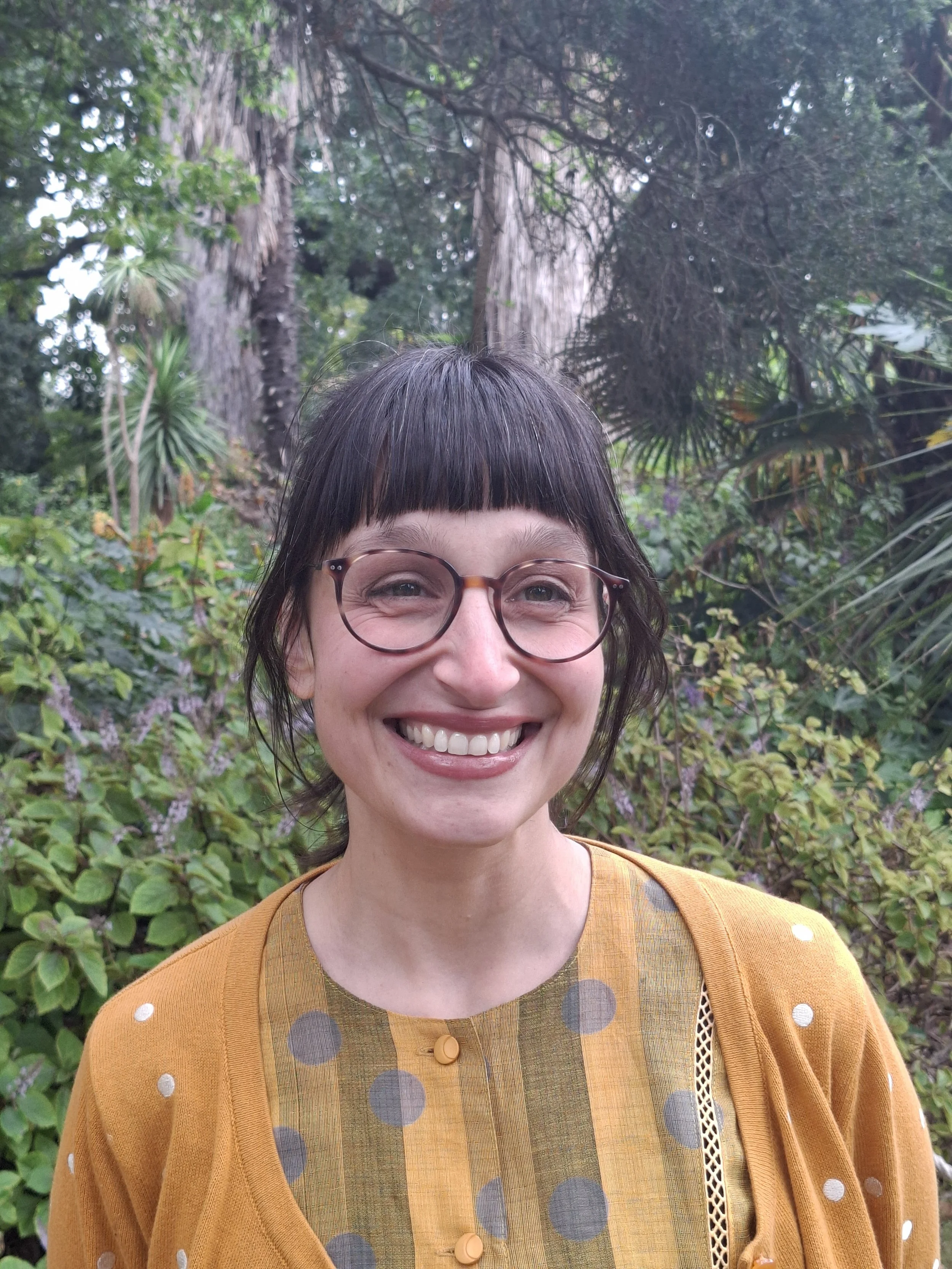
I am a neurodivergent dietitian and a mum of two humans. Having worked for over 15 years as a clinical dietitian in a hospital setting, I deeply understand what it is like navigating the healthcare system as a neurodivergent person and parent. I have a special interest in mental health, eating disorders, gastrointestinal health and PDA (pervasive demand avoidance or persistent drive for autonomy).
Privacy and Intellectual Property Rights – Terms & Conditions
I appreciate your understanding and respect of my privacy and intellectual property rights.
Access to this course and its content (henceforth “this course”) is by registration only; you must be a registered attendee to access this course. Individuals registered into this course do not have permission to share access to this course via their own registration or access details, with any other person/s. If someone has shared access to this course with you, but you are not personally registered into this course, please contact me via margo@wholebodynutrition.com.au to let me know.
This course was created by, and is the intellectual property of, Margo White, Certified Practicing Nutritionist BHsc (Whole Body Nutrition PTY LTD) You may not audio record, video record, screen record, screenshot, photograph, transcribe, or AI summarise this course – in part/s, or in its entirety – under any circumstance. You may not save, copy, plagiarise, reproduce, distribute, share, or publish this course – in part/s, or in its entirety – in any form or in any context, nor may you upload it to/access it via any AI platforms, claim it as your own, sell it, or offer it for sale.
These conditions also apply to all Community Connection Calls from this course. I also ask that you respect the rights, privacy, and confidentiality of all others who participate in the Community Connection Calls, and do not save, reproduce, share, or otherwise copy – in any form – their names, faces, contributions (spoken or written), or voices.
Australian Copyright Law (Copyright Act 1968) safeguards original creative works, including literary, artistic, musical, and dramatic works from unauthorised copying, reproduction, and distribution. Any use, reproduction, distribution, or modification of intellectual property without the explicit permission of the owner is strictly prohibited.
Australian Trademark Law (Trademark Act 1995) protects registered trademarks from unauthorised use. Residents and guests must not use or reproduce any trademarked logos, symbols, or names without proper authorisation from the trademark owner.
Failure to comply with these rules may result in legal action and could lead to penalties under Australian law. I encourage everyone to be mindful of intellectual property rights and contribute to a respectful and lawful community.
By registering for and proceeding with this course, you are confirming that you understand and consent to the “Privacy and Intellectual Property Rights – Terms & Condition” as specified above.
Thank you! I hope you enjoy this course.