


Supporting constipation in restrictive eaters
Constipation is common among people with restricted or limited diets, and support is not as simple as “just eat more fibre.” For neurodivergent people, sensory differences, low appetite, food aversions, interoception differences, medication, hydration, gut motility, co-occuring conditions and a limited range of tolerated foods can all play a role.

Autistic Burnout in Children
Autistic burnout is something many autistic children experience. Burnout is a state of deep physical, emotional, sensory, and cognitive exhaustion that happens when the demands placed on a child consistently exceed their capacity to cope.

Fed Is Best: A Neurodivergent-Affirming Approach to Eating
You might have heard the phrase “fed is best” in conversations about infant feeding. While it’s often used in that context, it applies far beyond early life. For neurodivergent people, especially those with ARFID or other feeding differences, it can be a grounding reminder of what actually matters most when it comes to food.
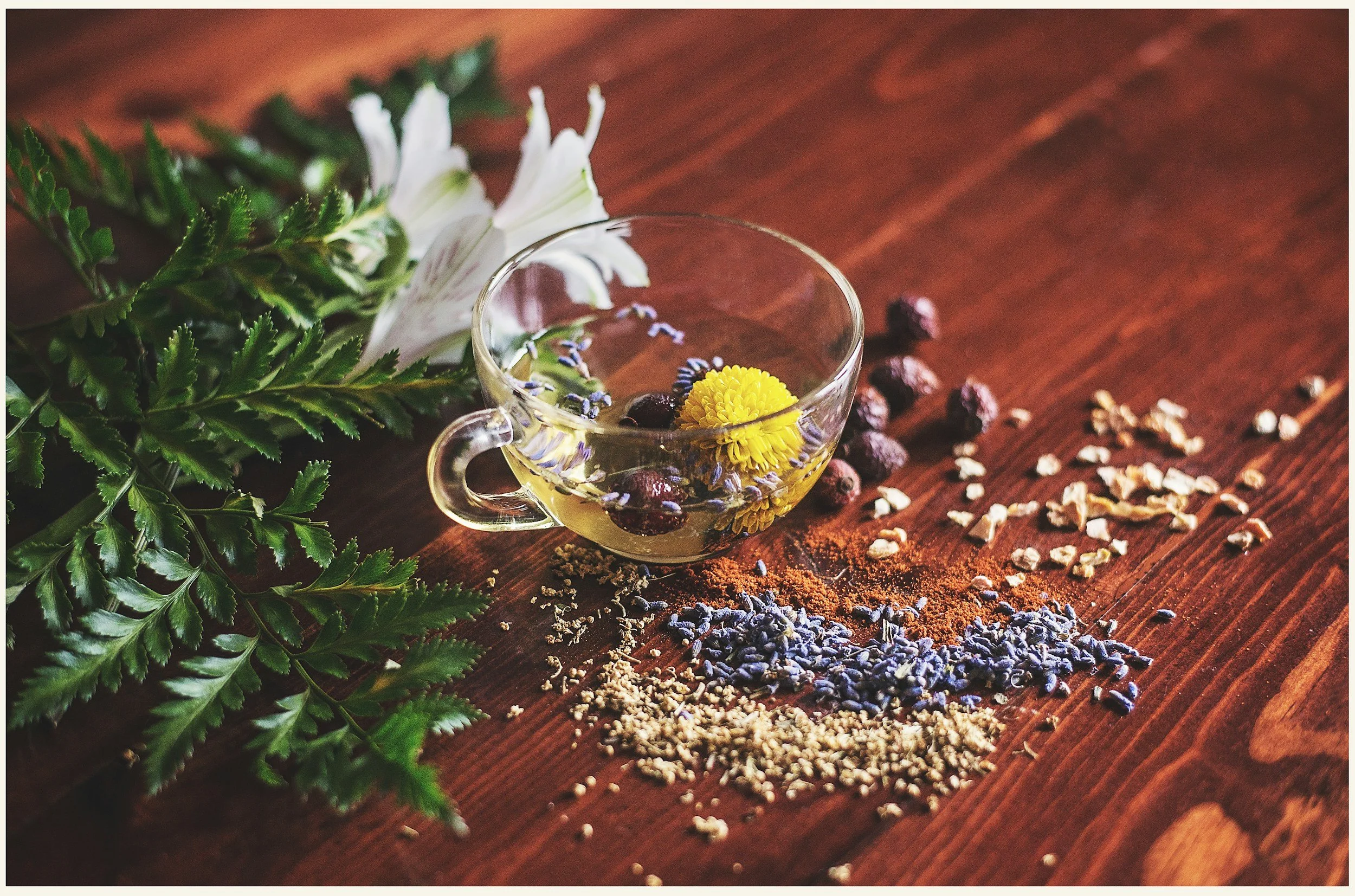
What is a Naturopath?
A naturopath is a complementary medicine practitioner who uses a variety of tools such as nutrition, herbal medicine and gut microbiome modulation to support health and wellbeing.

How does "the triad" impact ARFID?
The triad refers to three health conditions that commonly co-occur amongst neurodivergent people:
1. Postural Orthostatic Tachycardia Syndrome (POTS)
2. Mast Cell Activation Syndrome (MCAS)
3. Ehlers Danlos Syndrome (EDS), more commonly hypermobile Ehlers Danlos (hEDS)
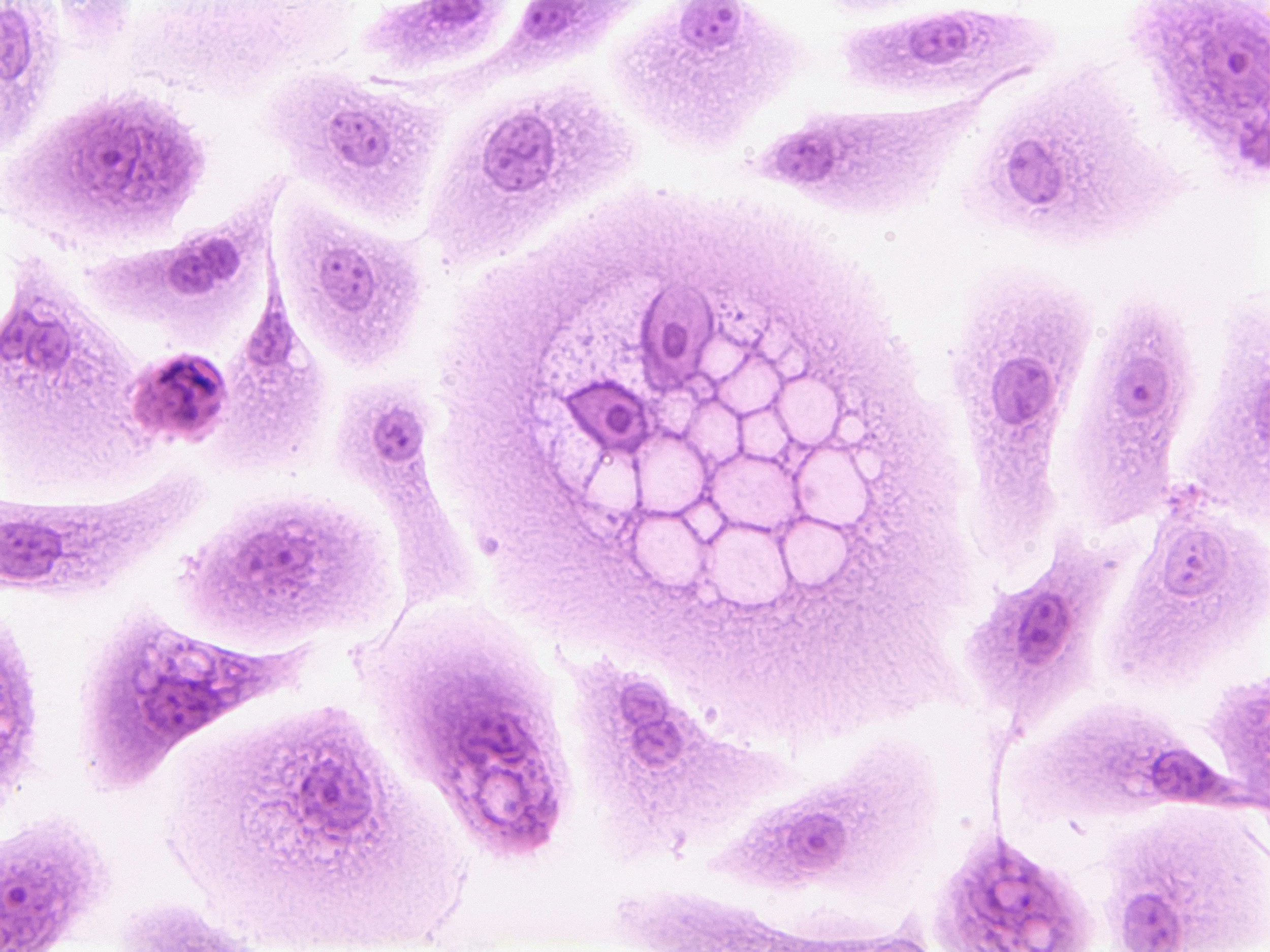
The POTS - MCAS Link
Mast Cell Activation Syndrome (MCAS) and Postural Orthostatic Tachycardia Syndrome (POTS) are more common among neurodivergent people. They can be hard to manage and often co-occur, alongside hypermobility/Ehler’s-Danlos Syndrome (EDS).

The reason I do this work is a lot more personal than most people know.
For as long as I can remember, my relationship with food and my body has been complicated.
At times it’s broken me at times it’s saved me.
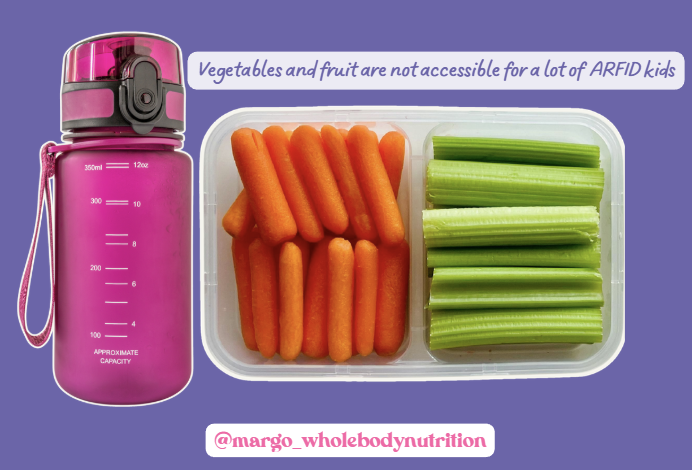
How to navigate “Brain Food/ Crunch & Sip” with your ARFID child Going back to school
What is brain food/ crunch & sip?
A popular Australian primary school program gives kids a set time to eat fruit or vegetables (“crunch”) and drink water (“sip”) in class.
The intention? Support hydration, “health” and concentration.
But here’s the problem 👇

Supporting Siblings When ARFID Changes Mealtimes
When one child lives with ARFID, it affects the whole family, especially siblings. It’s common Siblings to notice the differences in food expectations and feel confused, jealous, sad or frustrated when their ARFID sibling is allowed to eat differently. These feelings are real and valid, and supporting them through this is incredibly important and can support not only sibling relationships but the whole family dynamic.
The Persistent Drive for Autonomy (PDA) food and eating cycle
For many PDAers, eating can be experienced as a perceived threat, and paradoxically, the greater the hunger, the harder it becomes to eat. Hunger itself may show up as an internal demand, something the body is insisting on, and internal demands can be just as triggering as external ones. What others interpret as a simple bodily cue can feel overwhelming, intrusive, or even frightening.
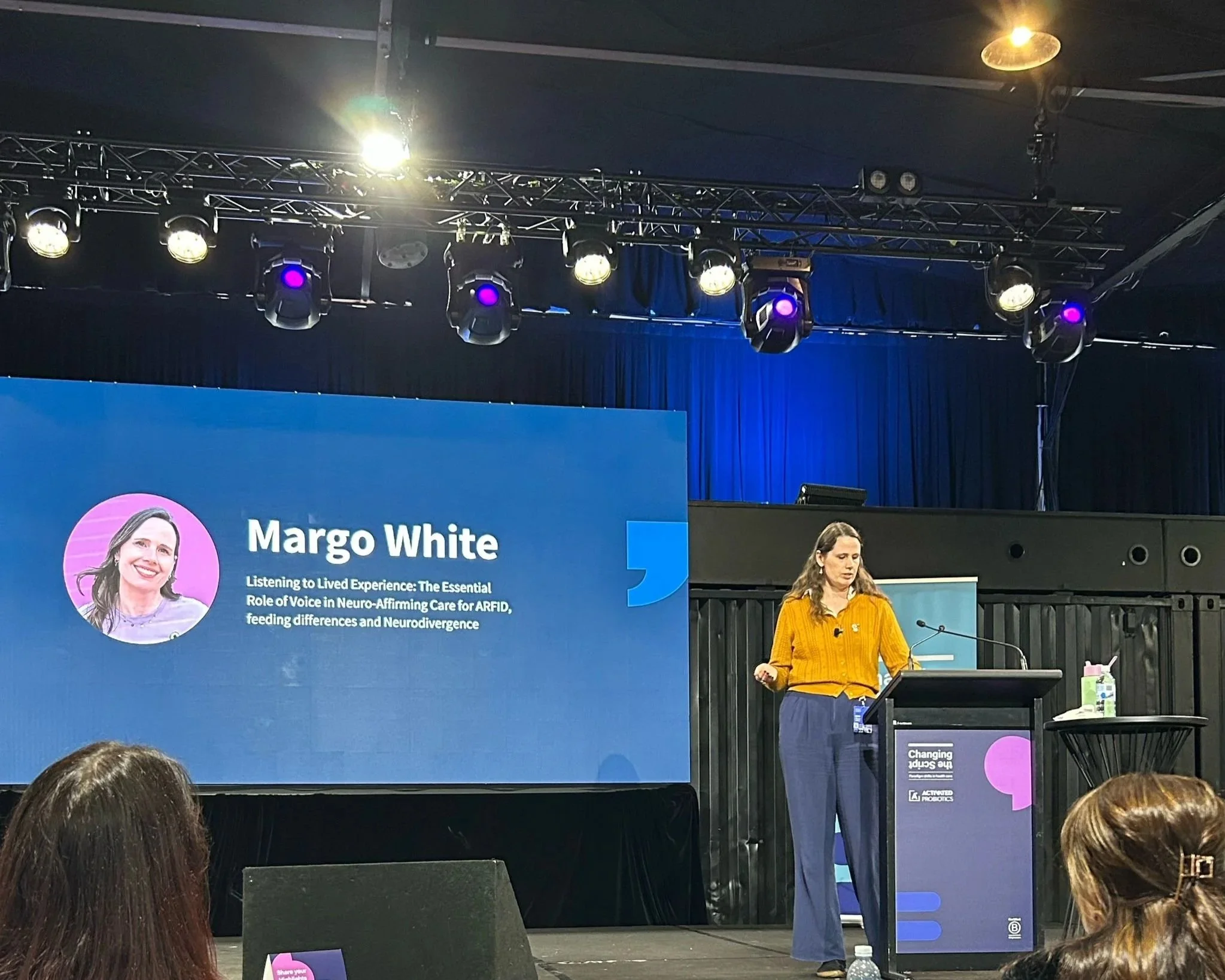
Whole Body Nutrition 2025 Recap
What an incredible year it has been. We thought it would be important to do a 2025 recap as we have achieved so much this year. From expanding our team, to supporting more individuals and families than ever (over 300 to be precise), presenting at several conferences and events—this year has been filled with growth, learning, and meaningful impact.
Pervasive Drive for Autonomy (PDA) and Eating
Feeding a child with PDA can be unpredictable and overwhelming. One day they may happily eat a food, and the next day the same food is suddenly “too much or not safe” Meals can turn into power struggles, avoidance, shutdowns, or complete refusals—often leaving parents wondering what they’re doing wrong.
But here’s the truth:
You’re not doing anything wrong.
And your child isn’t being “difficult or naughty”.
Children with a PDA profile are navigating a nervous system that is wired to avoid perceived threats/demands. Even the ones they genuinely want to meet, like eating or using the bathroom can feel like a threat response.

Why Your Autistic/ADHD Child Might Be Sneaking Food — and How to Respond with Connection, Not Shame
If you’ve ever found empty wrappers tucked under a pillow or a secret stash of snacks hidden in your child’s room, you might have felt a rush of confusion, frustration, or even worry. It’s natural to wonder, Why are they doing this? and Am I handling it right? The truth is, sneaking food isn’t simply “naughty” behaviour—it’s a sign that your child’s relationship with food, safety, or autonomy needs a little extra understanding. Whether it’s driven by past food insecurity, emotional needs, a desire for control, or neurodivergent sensory or dopamine-seeking needs, your response in these moments matters far more than the behaviour itself.

“If We Do It for Your Child, We’ll Have to Do It for All Children” – Why That’s Exactly the Point
A parent recently told me they went to their child’s teacher recently and asked if they could provide a feeding accommodation for their child at school, and the response was..
"If we do it for your child, we’ll have to do it for all children." How many times have you heard this old chestnut?.

What to do when your safe foods give you the ICK
When a previously safe food suddenly becomes an ick and loses its safety, it can be really challenging trying to find a new safe food.
Here are some tips to help you navigate this transition and explore new safe options.

Why Intuitive Eating may not be suitable, and could even be harmful - for Neurodivergent Individuals
Firstly I want to say that Intuitive eating can be an incredibly helpful tool for many people. However, if you are going to use Intuitive eating with neurodivergent individuals, it must be modified, or it will likely cause harm.

"We Need to Do Better": The Hidden Harm of ARFID Invalidation
At Whole Body Nutrition we work with many individuals, children, teens and adults who live with Avoidant/Restrictive Food Intake Disorder (ARFID). One of the most heartbreaking aspects of their journeys isn’t the food itself—it’s the way they are treated because of it.

What is Enteral Nutrition?
Enteral nutrition feeding is often discussed in medical terms. If you google the words you will be met with a lot of anatomical diagrams of the digestive system and some very clinical language. It is true to say that the beginning of someone’s enteral feeding journey usually takes place in a hospital and under the guidance of medical and allied health professionals. However, beyond the clinical stories are stories of the people behind the tube.

Why "Fed Is Best" for People with ARFID and Feeding Differences
The phrase "Fed is Best" is often used in the infant feeding world, but it applies just as much to people with Avoidant/Restrictive Food Intake Disorder (ARFID) and other feeding differences. In a society that places so much moral value on food choices, it can be easy to get caught up in what someone “should” be eating rather than focusing on the most important goal—ensuring they are eating enough.

Margo was a guest speaker on Eating Disorders Neurodiversity Australia’s podcast NeurospicED!
In this episode of NeurospicED, I share my personal journey as a neurodivergent woman and how it has shaped my relationship with food and my body.