
Supporting Siblings When ARFID Changes Mealtimes
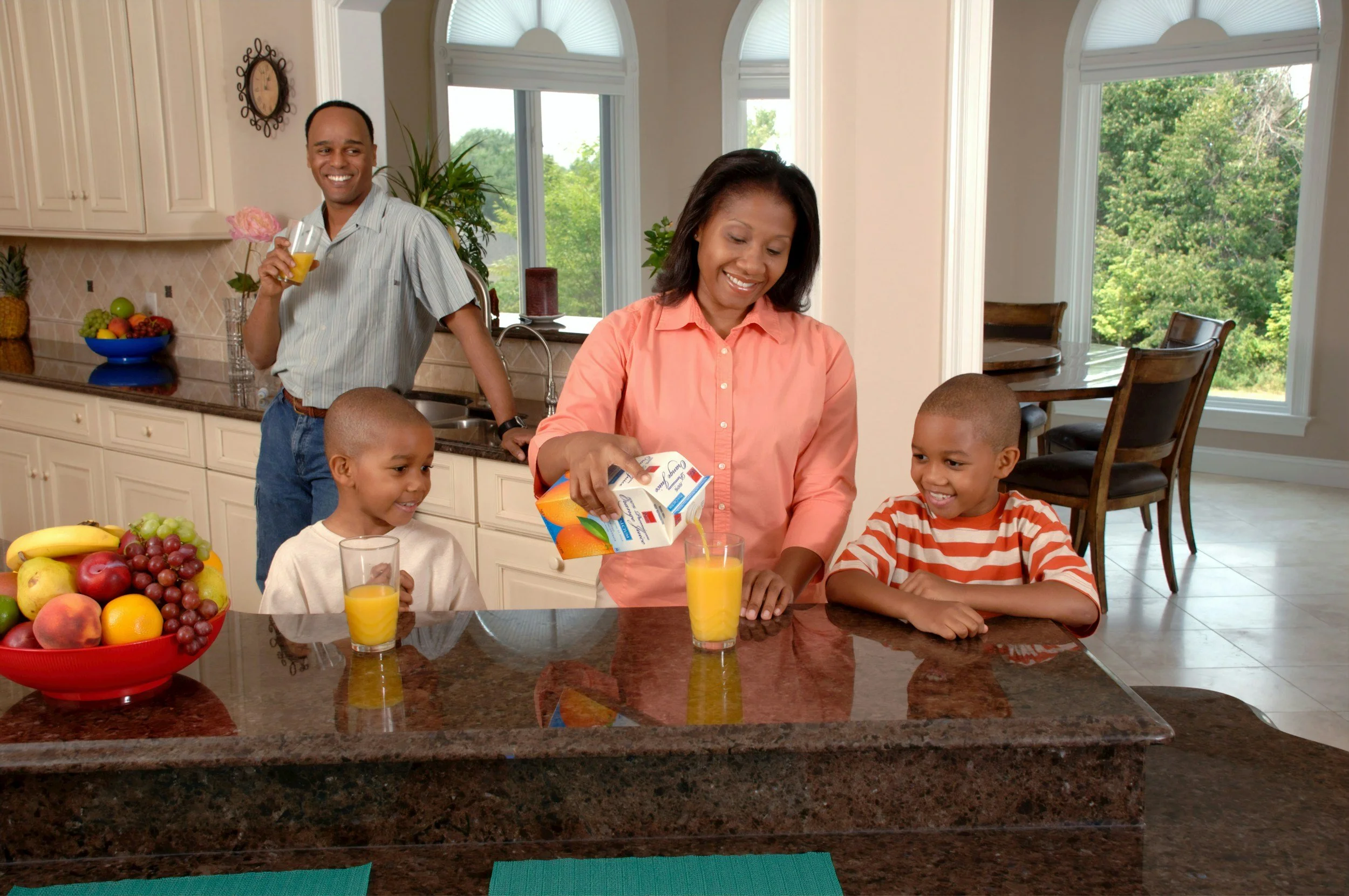
When one child lives with ARFID, it affects the whole family, especially siblings. It’s common for siblings to notice the differences in food expectations and feel confused, jealous, sad or frustrated when their ARFID sibling is allowed to eat differently. These feelings are real and valid, and supporting them through this is incredibly important and can support not only sibling relationships but the whole family dynamic.
Start with Validation
The most powerful thing you can offer is validation. When a child says, “It’s not fair that they get nuggets again” or “Why do they get ice-cream for breakfast today?” they’re not being difficult or unkind, they’re trying to make sense of their world. Validate the feeling before explaining the situation.
You might say:
“It makes sense that this feels unfair.”
“I hear that this is really hard”
“It’s okay to feel upset about this.”
Validation means you’re simply acknowledging their experience, and that their experience is real for them - even if you don’t agree. When children feel seen and understood, they’re better able to cope with differences.
Explain ARFID in a Developmentally Appropriate Way
You don’t need to go into clinical detail. A simple explanation works:
“ARFID makes eating lots of foods feel scary or overwhelming for their body. Right now, we are trying to help them to feel safe with food. This is important for you too, but in a different way because your body feels safe with more foods”.
“Every body is different and has different needs, and that’s okay - not good or bad, just different”.
This helps siblings understand that food support isn’t about preference or reward, it’s about safety and nervous system regulation.
Create Flexibility for the non ARFID Sibling
Jealousy often softens when children feel they also get some flexibility. While we don’t want to create a totally separate set of rules, we can offer room for choice:
Let them occasionally eat that ice-cream for breakfast or nuggets for dinner (it really isn’t going to harm them!)
Build in times when both children get to enjoy the same comfort/safe food.
Offer autonomy where you can: let them choose snacks and decide what they want to eat.
Sometimes it helps to have 2 snack boxes - one for the ARFID child and one for the non ARFID child. Let them choose what they want to have in there.
If the child with ARFID needs a particular cutlery or bowl/plate set -let the sibling choose a special one for themselves too.
This supports fairness through providing autonomy and helping the sibling have access to their favourite foods.
Support Eating Without Comparison
Encourage the sibling to focus on their own body’s needs. You might reflect:
“You like lots of different foods. It’s okay for you to enjoy your foods, and your sibling can enjoy theirs. It’s okay to eat differently. My sibling and I ate differently too - and we still do”.
Normalising differences helps reduce the pressure to “match” each other’s eating styles.
Create Special Moments Just for Them
Sometimes jealousy is really about needing connection. You can organise small one on one rituals with the sibling such as baking their favourite baked good with them, ordering their favourite take out, going on a breakfast date, a bike ride etc, can help fill that need. These moments of connection can make a big difference to how supported they feel.
The Takeaway
Supporting a sibling when ARFID changes food expectations can be really tricky. This will be an ongoing conversation that you’ll likely revisit many times. Just remember that their feelings are valid and real, and they need reassurance, connection, and clear explanations to help them make sense of the differences. With patience and empathy, you can help them feel seen, included, and supported.
Written by Margo White, your Melbourne-based neurodiversity affirming clinical nutritionist and Neurodivergent advocate.
This article is intended as general advice only and does not replace medical advice. It is recommended that you seek personalised advice specific to your individual needs.